Email WhatsApp

Crankcase Ventilation (CCV) Filters | Protection and High Filtration

Keep your engine clean and maintain performance with micronic CCV filters.

"micronic CCV filters ensure maximum efficiency and long engine life by purifying your engine from oil mist and harmful particles."

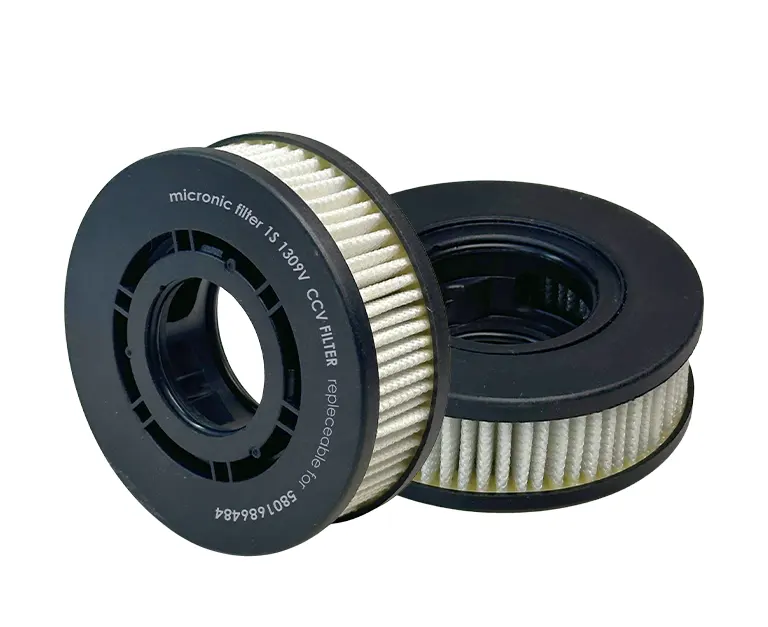
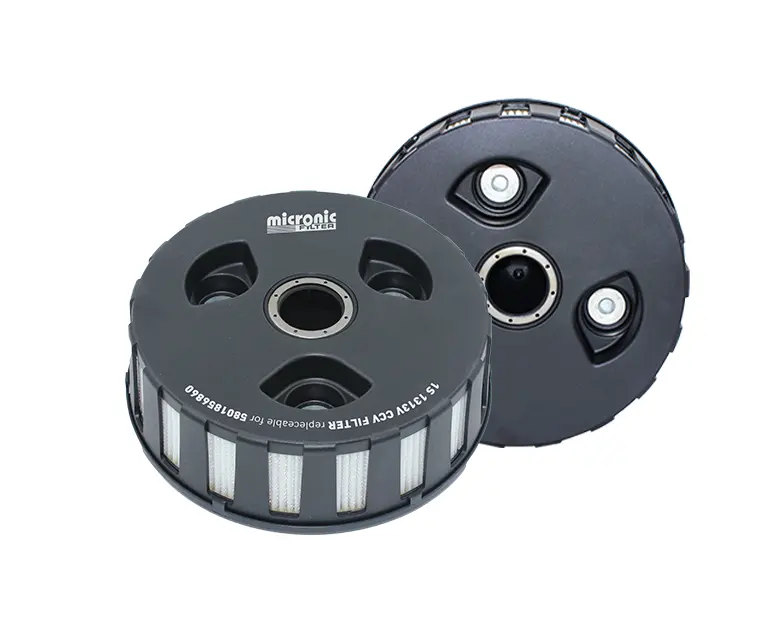
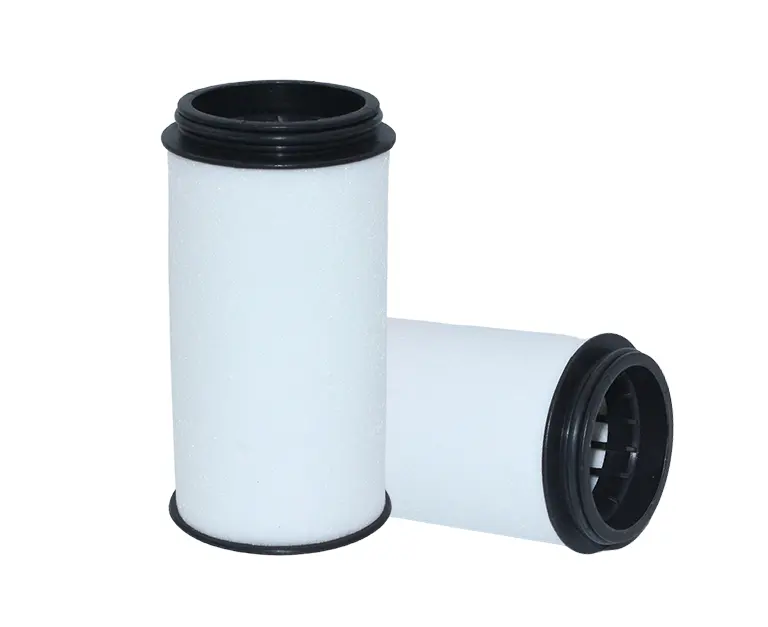
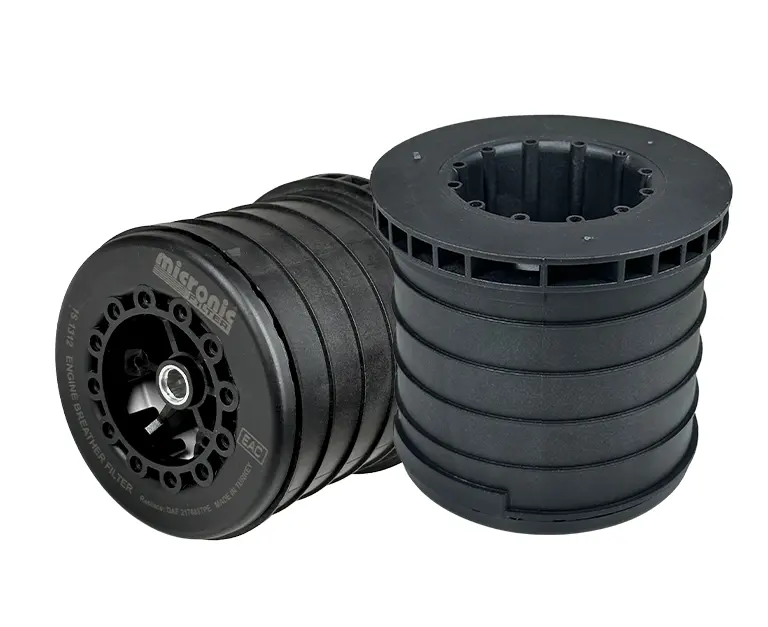
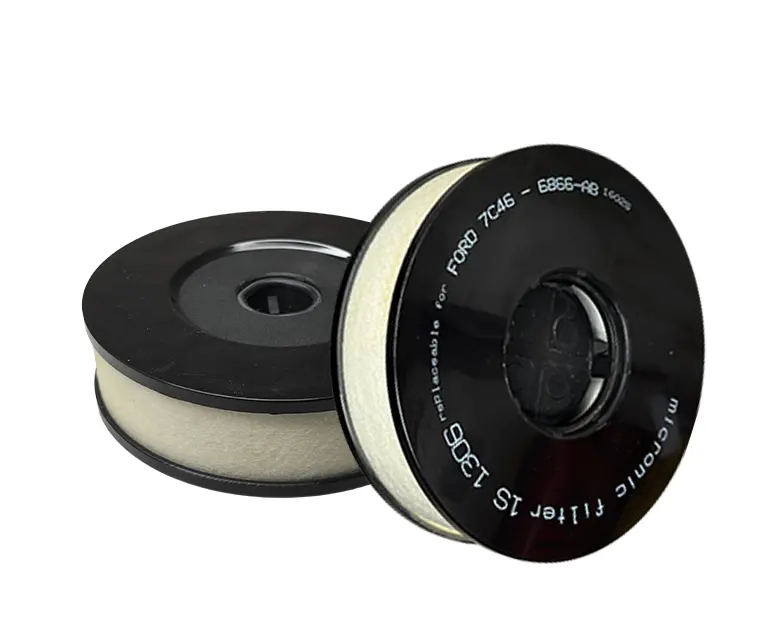
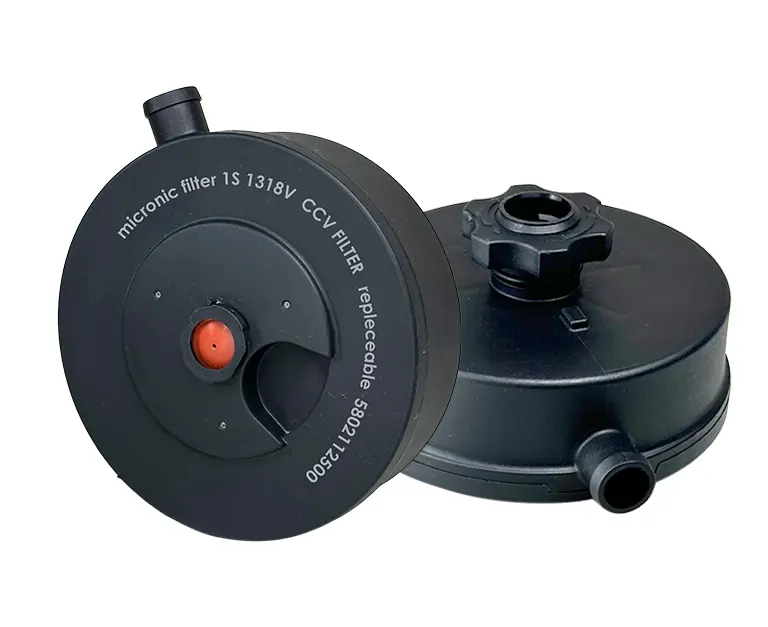
micronic CCV filters offer high-efficiency solutions for on-road, heavy-duty, off-road, and industrial engine applications. Thanks to advanced filtration technology, they protect the engine from risks caused by oil mist while increasing system reliability and reducing operating costs. micronic combines performance, durability, and long-life standards in crankcase ventilation filtration.

Crankcase Ventilation System Types

Crankcase ventilation systems are primarily divided into two categories: Open Crankcase Ventilation (OCV) and Closed Crankcase Ventilation (CCV). Both systems have their own unique advantages and specific areas of application.

1. Open Crankcase Ventilation System (OCV)

In open systems, blow-by gases are released directly into the atmosphere after being filtered. While this system has a simpler design, its usage is gradually decreasing due to today’s stringent emission standards.

Advantages of Open Systems:
  • Prevents oil accumulation in the turbocharger and intercooler
  • Simpler structure and easy maintenance
  • Generates low back pressure
  • Suitable for older model vehicles

2. Closed Crankcase Ventilation System (CCV)

In closed systems, filtered gases are not released into the atmosphere; instead, they are routed back to the engine’s intake system and eliminated during the combustion process. This is the preferred system for modern diesel engines and in regions with high emission standards.


Image link

Frequently Asked Questions

No, they are different systems. An air filter cleans the air entering the engine from the outside. A crankcase ventilation filter, on the other hand, filters gases, oil mist, and contaminants generated inside the engine. Both are important but serve different functions
Most CCV filters are disposable and cannot be cleaned. The micro-glass fiber media is not suitable for cleaning with water or compressed air. While some specialized systems (such as Solberg ACV) use washable elements, standard vehicle filters must be replaced.
It can be run in the short term, but it is not recommended. Without a CCV filter: (1) Crankcase pressure increases uncontrollably, (2) Oil leaks begin, (3) The turbocharger and intake system become contaminated quickly, (4) Emission levels rise, and (5) Engine performance drops. In the long run, serious engine damage can occur.
Yes, it can cause failure indirectly. A clogged filter increases the oil mist escaping into the intake system. This oil accumulates on the turbocharger blades, disrupting balance and damaging turbo bearings. Additionally, oil accumulating in the intercooler restricts airflow, putting strain on the turbo. Manufacturers state that 15-20% of turbo failures stem from CCV system issues.
Yes, gasoline engines also have crankcase ventilation systems. However, in gasoline engines, it is typically referred to as a PCV (Positive Crankcase Ventilation) valve and is not as complex as in diesel engines. Modern GDI (Gasoline Direct Injection) engines utilize more advanced CCV systems.
If you have basic mechanical knowledge, CCV filter replacement is possible on most vehicles. However, on some models (e.g., Ford 6.7 Powerstroke), the charge air cooler pipe may need to be removed, which makes the job more difficult. If you are unsure or if the model requires specialized equipment, seek professional help. Incorrect installation can lead to engine damage and loss of warranty.