High-Capacity Filtration for Power Plants
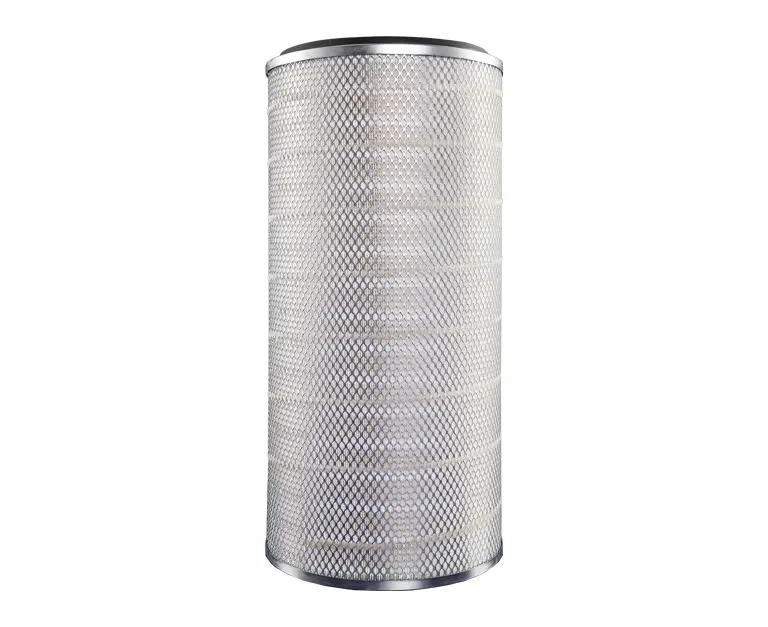
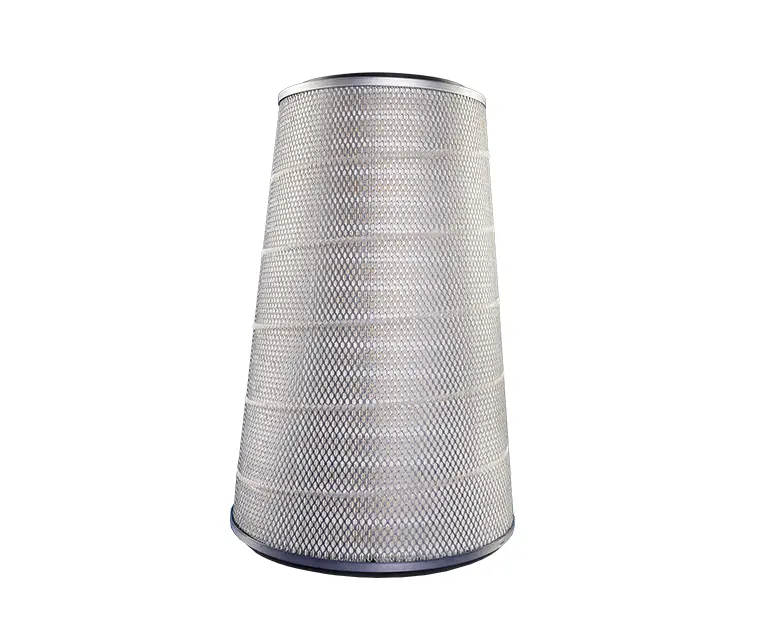
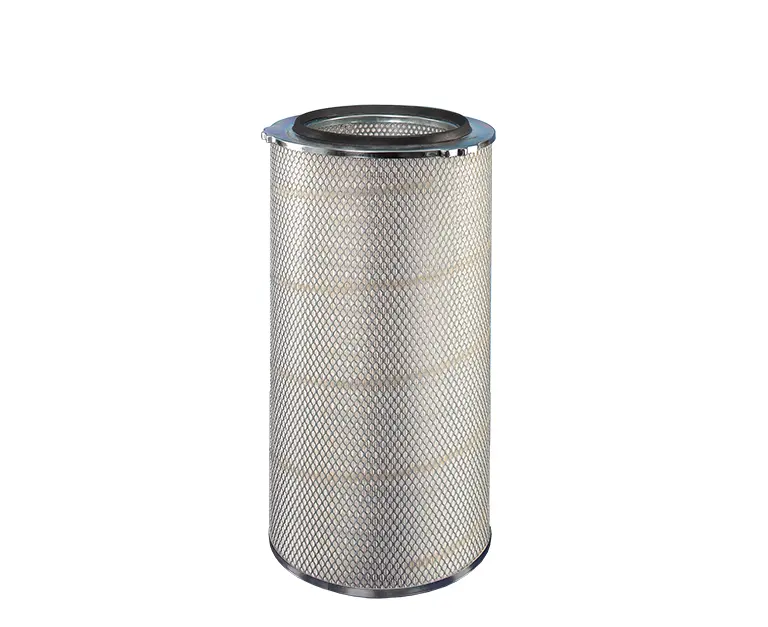
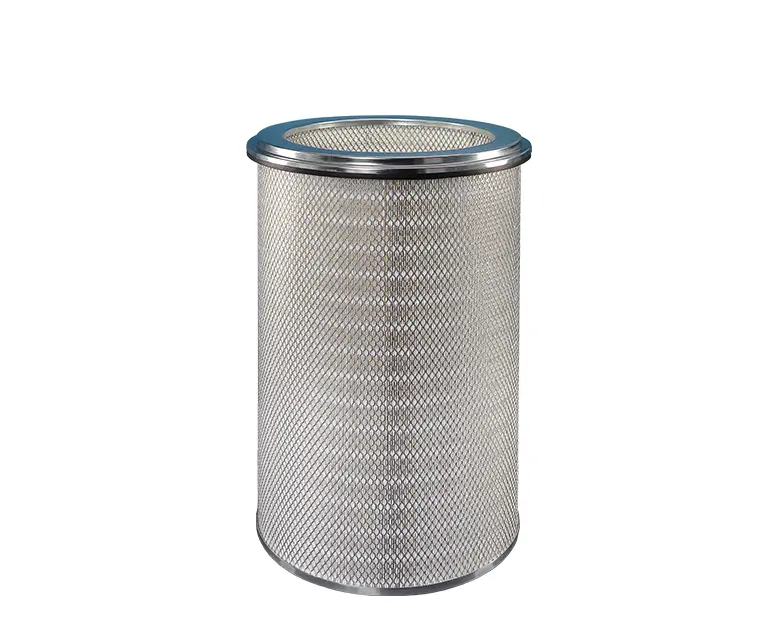
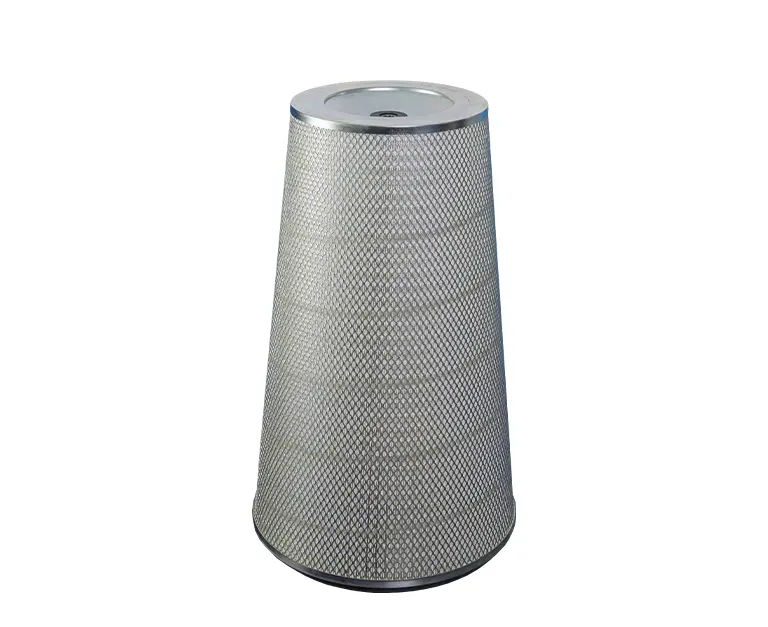
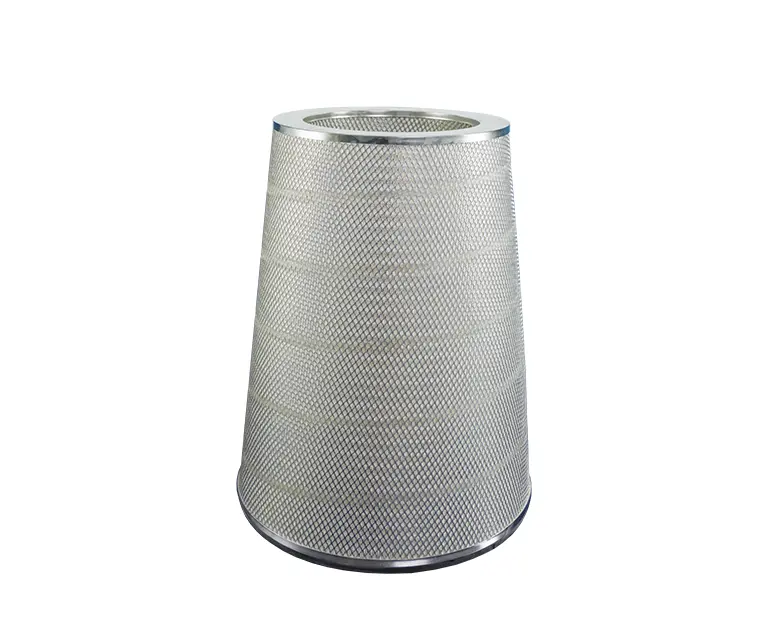
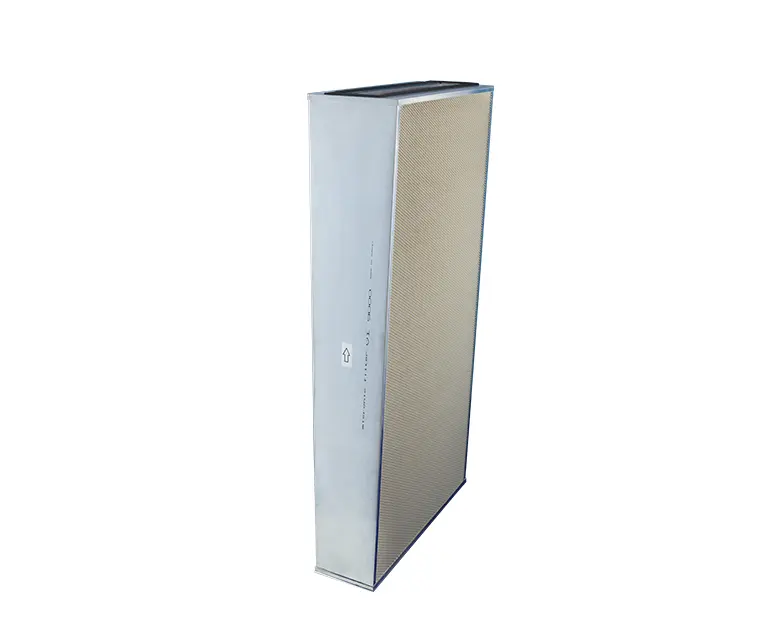
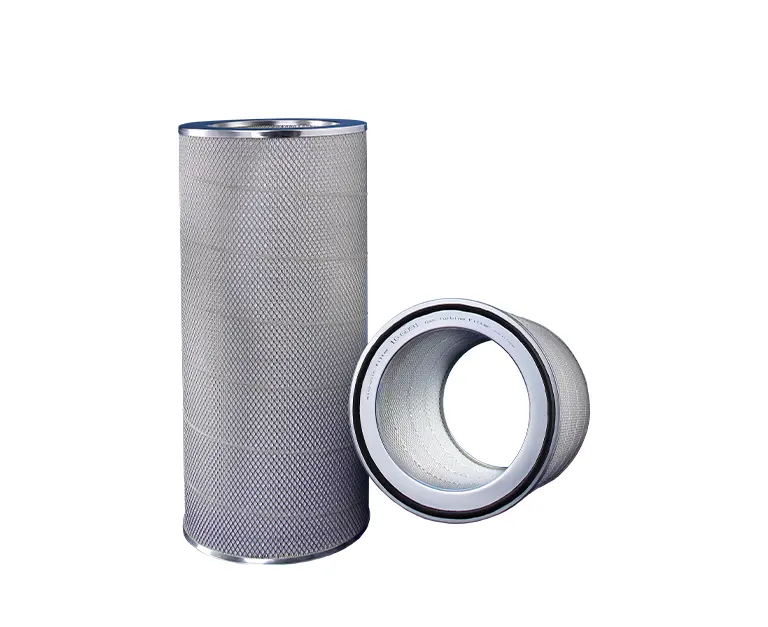
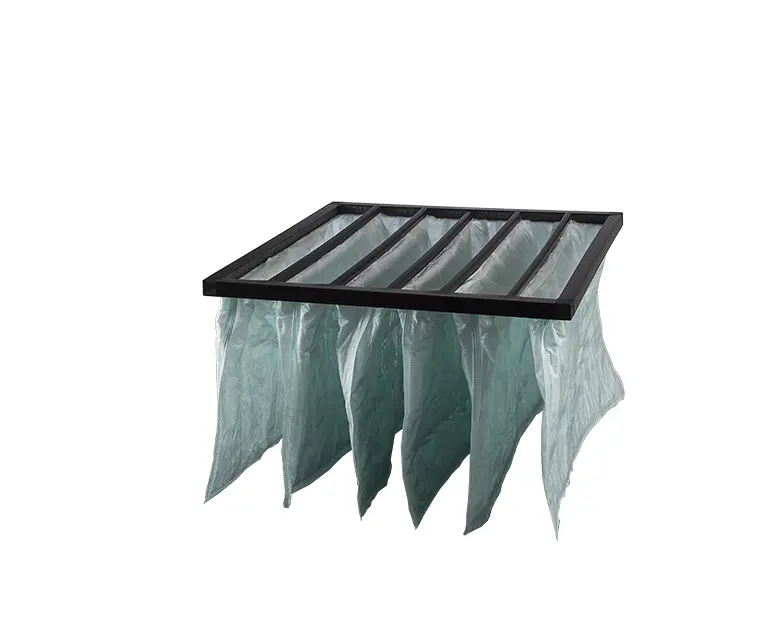
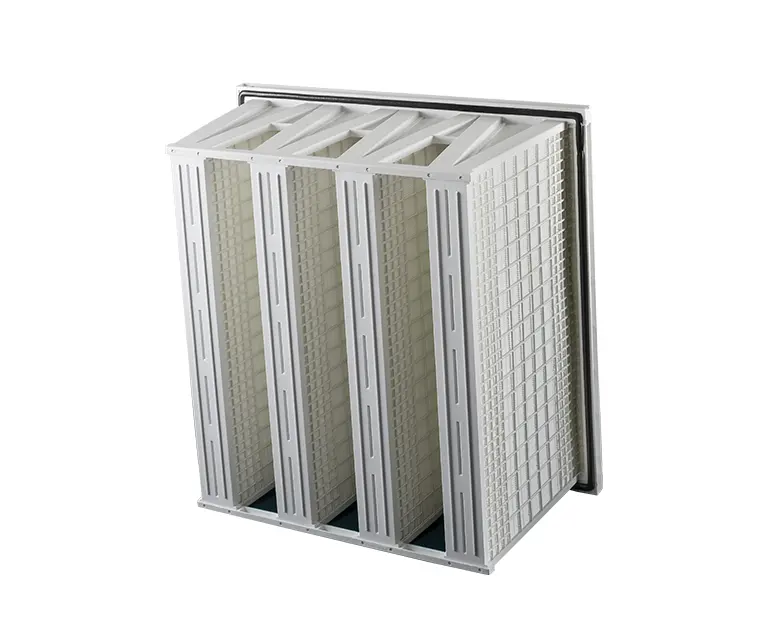
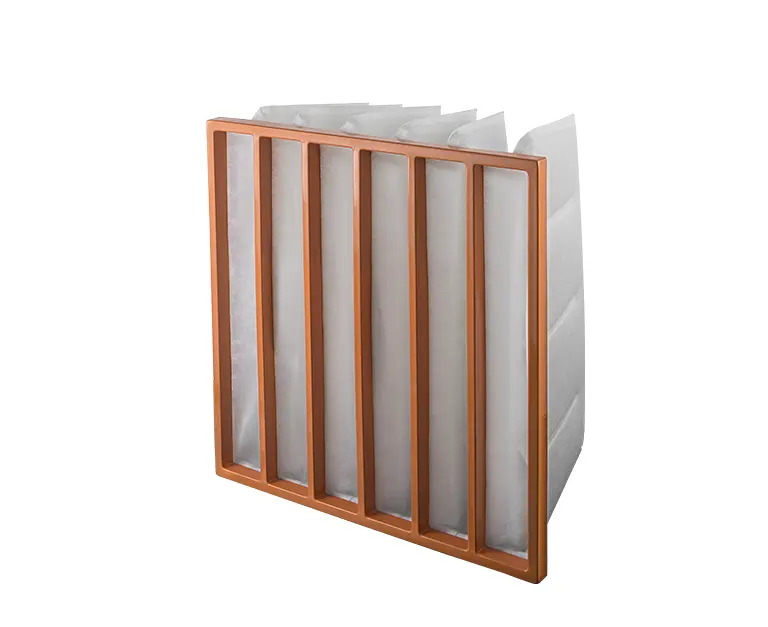
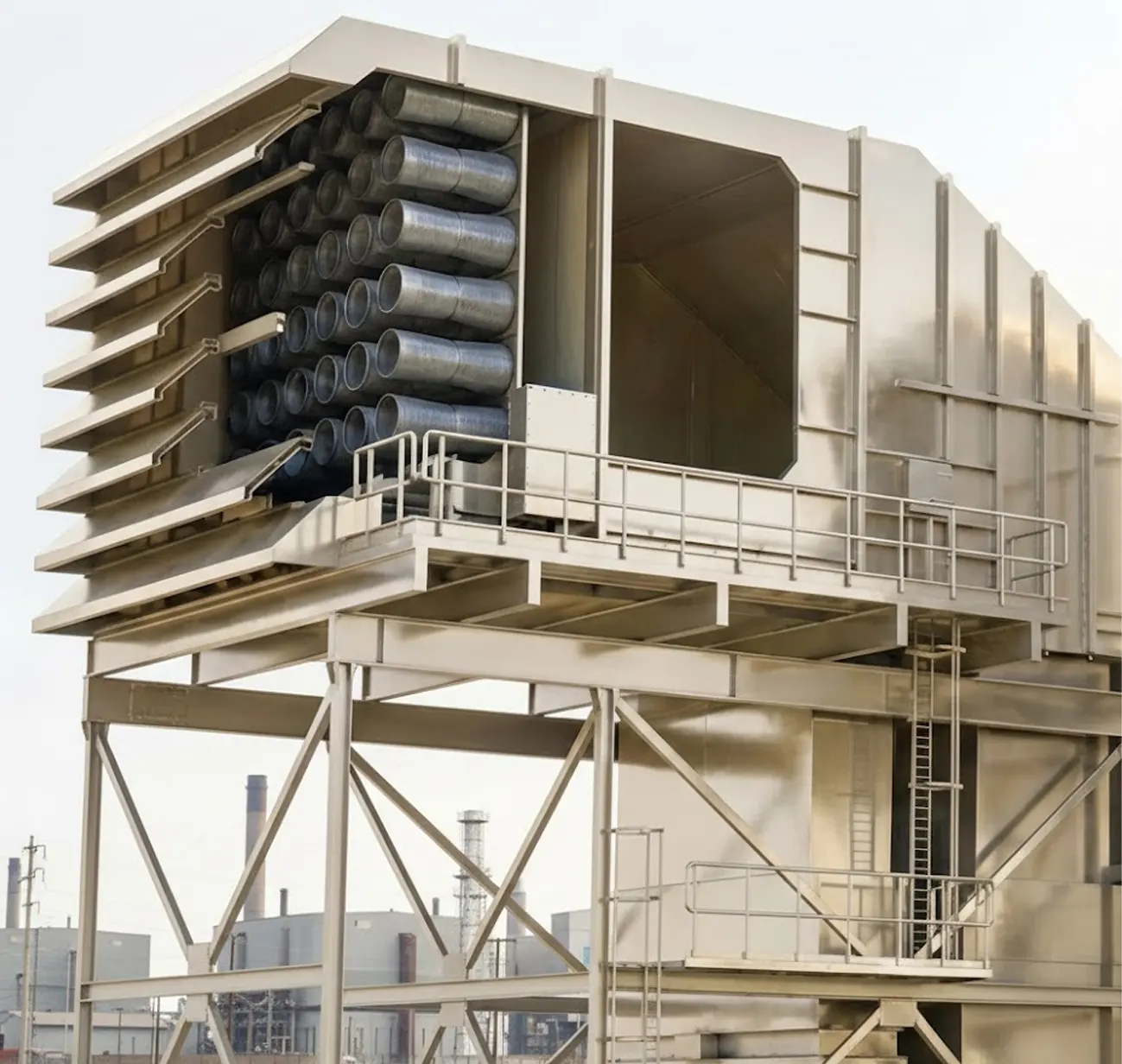
Gas turbines require massive amounts of air during operation, and the purity of this air directly affects the lifespan of the turbine blades. Developed against dust, salt, and moisture, micronic Filter gas turbine filters are produced in conical/cylindrical dual cartridge systems or V-Bank panel structures. While increasing turbine efficiency with low pressure drop, they offer a long service life with durable media compatible with “pulse-cleaning” (back-pulse) systems.
Nanofiber Technology for Lower Pressure Drop
Main Application Areas:
- Power Generation Facilities: Natural gas combined cycle power plants.
- Oil and Gas Industry: Pipelines and pumping stations.
- Offshore Platforms: Offshore energy platforms.
Frequently Asked Questions
micronic gas turbine filters utilize nanofiber-based filter media with proprietary Micro M-19 nanocoated and Micro NanoFlat™ technologies. This specialized surface captures particles as small as 0.3 microns, providing higher efficiency, lower pressure drop, and extended filter life.
The nanofiber layer ensures that dust and smoke particles are captured on the surface without becoming embedded deep within the filter media. This structure allows the filter to require less pulse-cleaning, self-clean more effectively, and offer lower energy consumption.
These filters are used in high-efficiency environments such as:
- Gas turbine inlet filtration,
- Industrial air filtration,
- Industrial dust collection systems.
They are also reliably preferred in power generation, oil & gas, and heavy industrial facilities.
Advanced nanofiber technology provides 20% higher initial efficiency and lower pressure drop compared to standard filter media. This contributes to compressor and turbine systems operating with significantly less energy consumption.
Yes. Thanks to their robust design, micronic cartridge filters are engineered to operate reliably in extreme conditions such as desert, marine, arctic regions, high humidity, heavy dust, or aggressive industrial atmospheres.
Thanks to the self-cleaning nanofiber coating, downdraft air design, and low pressure drop, the filters operate for longer periods without clogging. This results in less frequent maintenance, reduced service requirements, and a lower total cost of ownership (TCO).