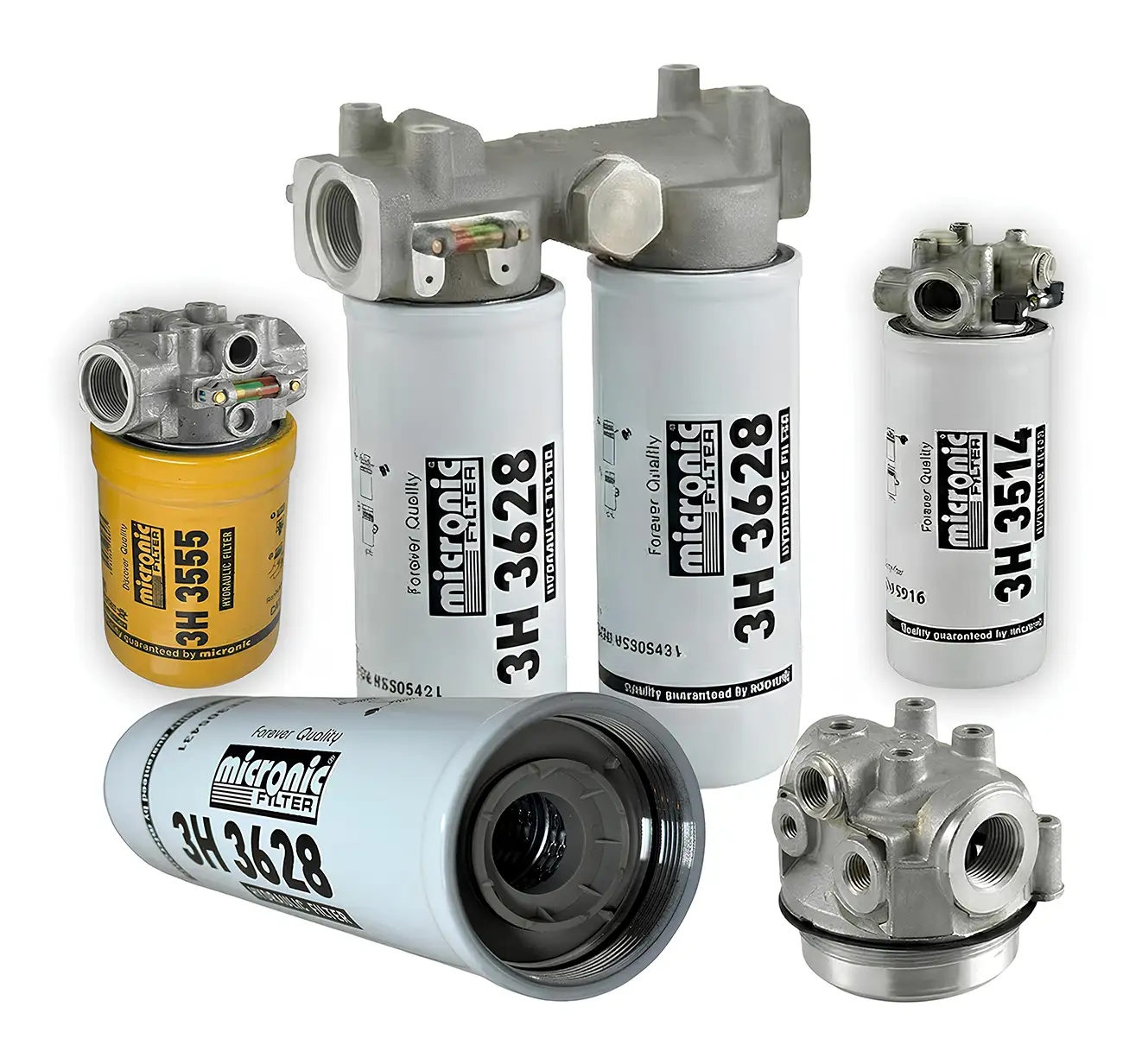
Uncompromising Performance at High Pressure: micronic, the Insurance of Your System
"The cleaner the fluid in the system's veins, the more continuous your power."
In construction machinery and industrial systems, more than 70% of failures are caused by hydraulic oil contamination. Sensitive valves and pumps can be damaged by microscopic particles. The micronic Filter hydraulic filter series maintains its structural integrity even under high pressure to preserve system efficiency, prevent unplanned downtime, and extend the life of expensive hydraulic components.
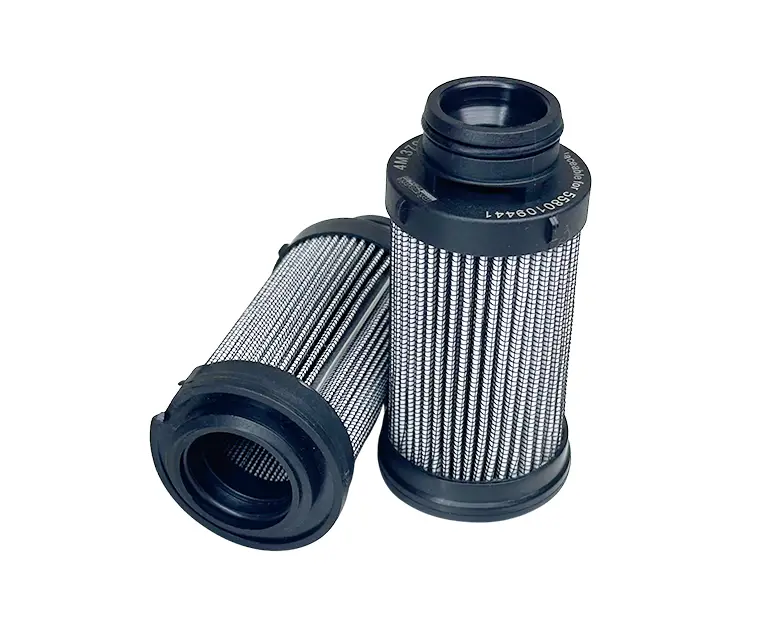
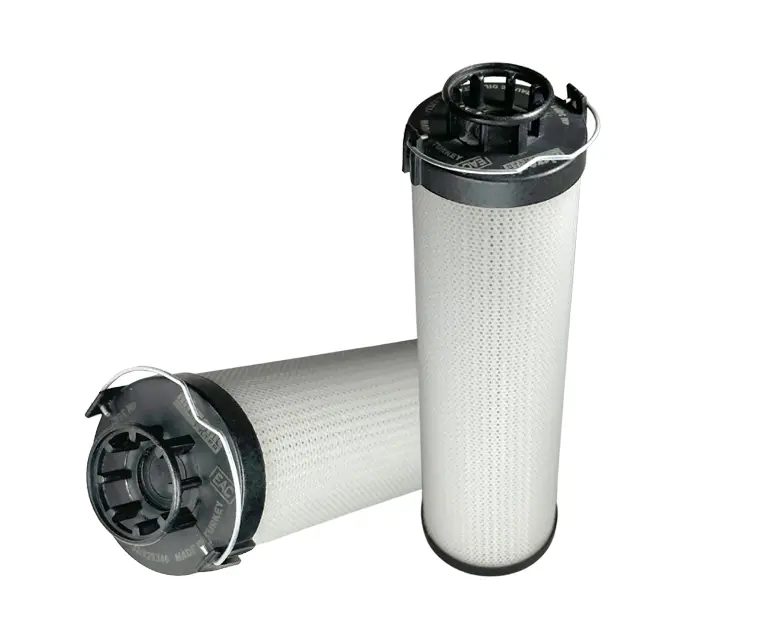
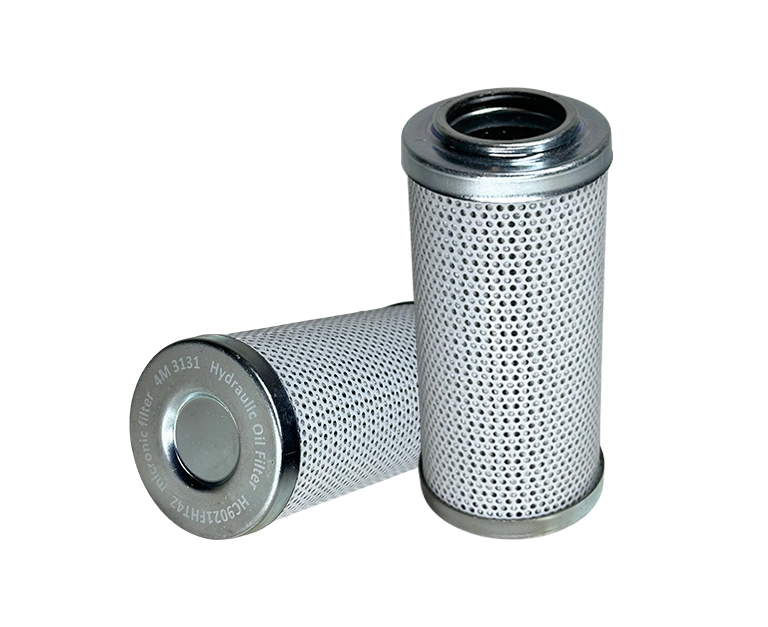
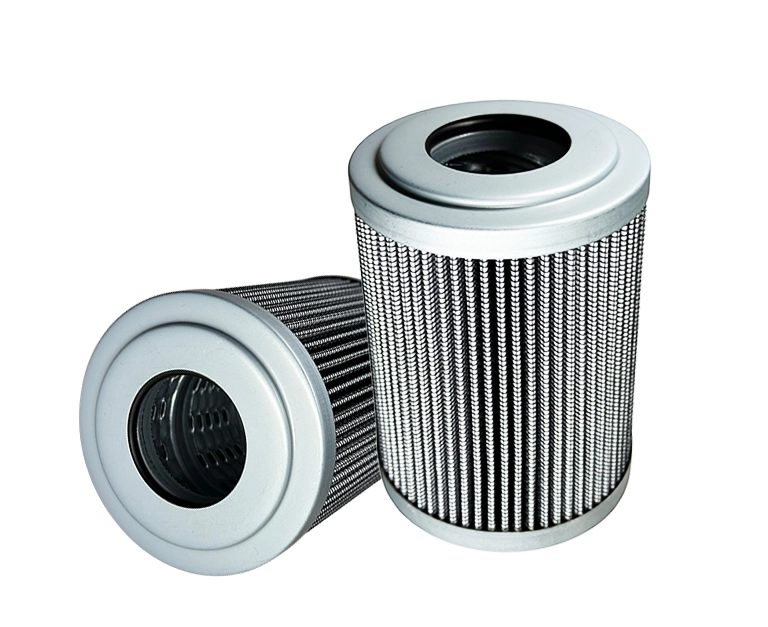
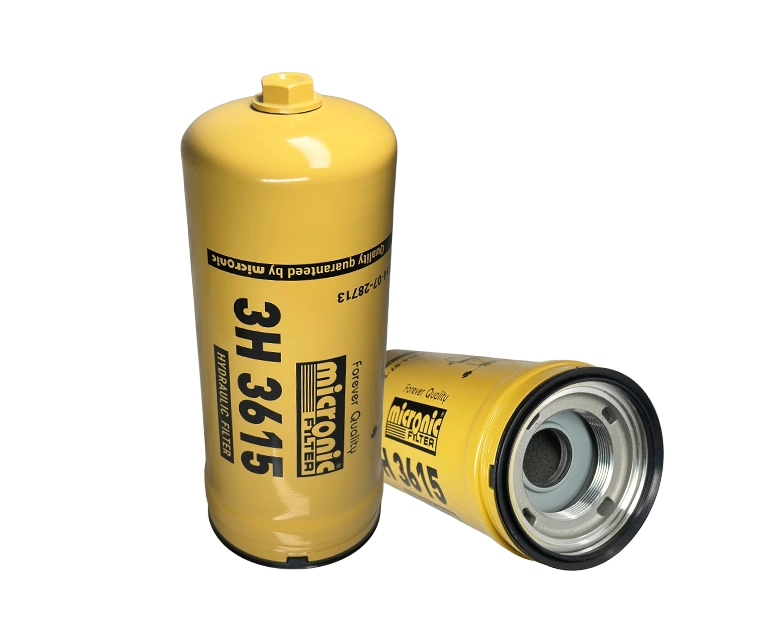
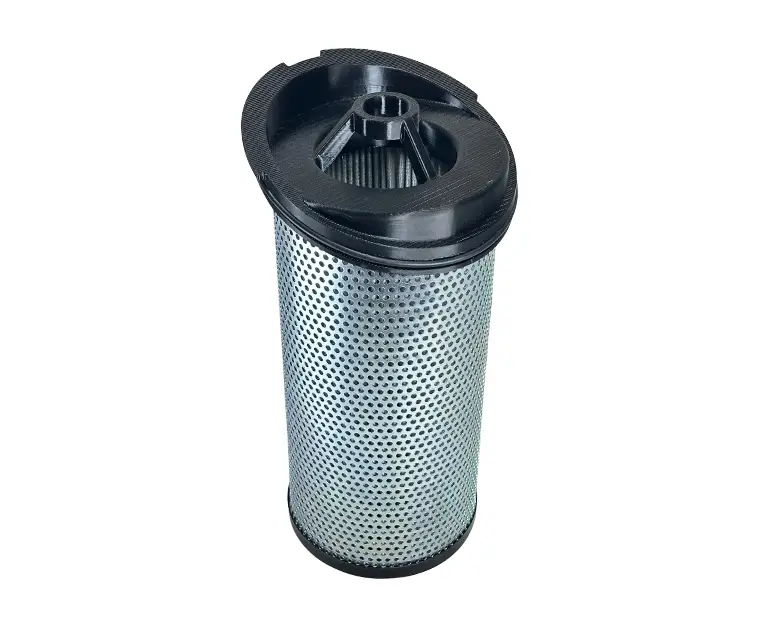
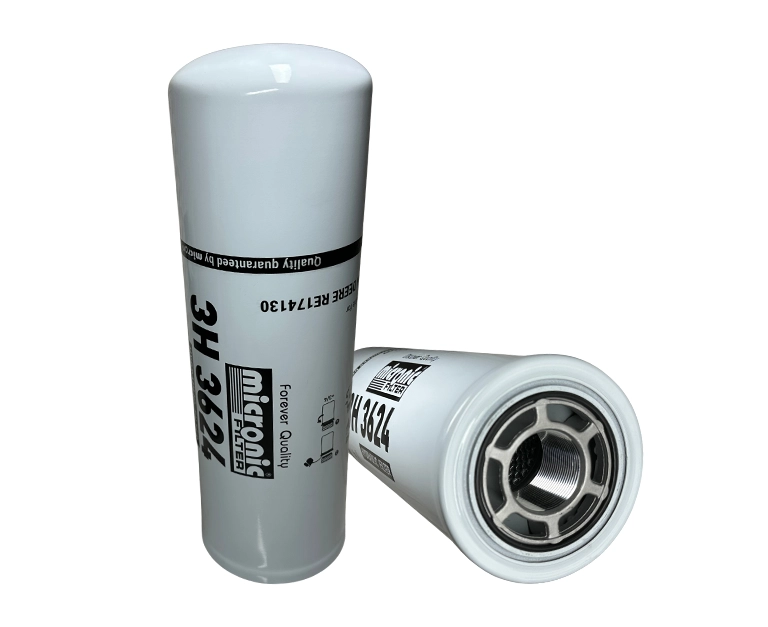
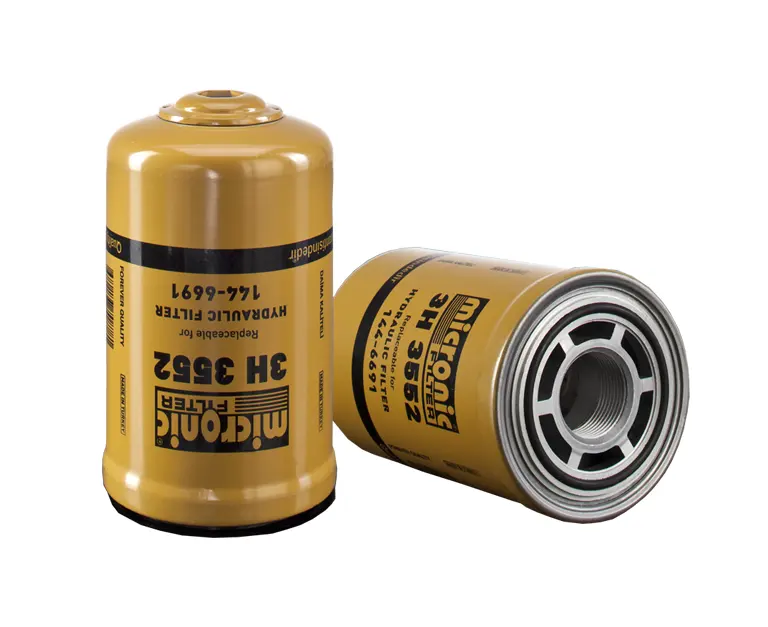
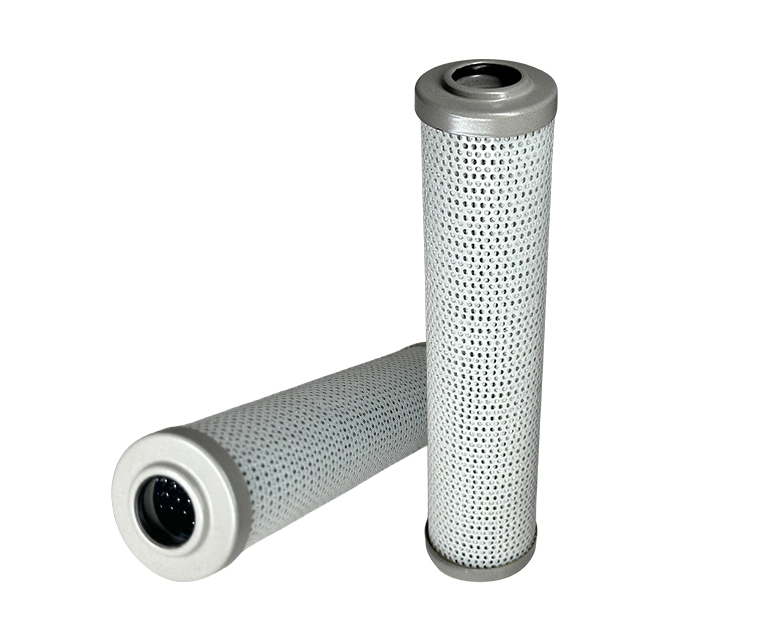
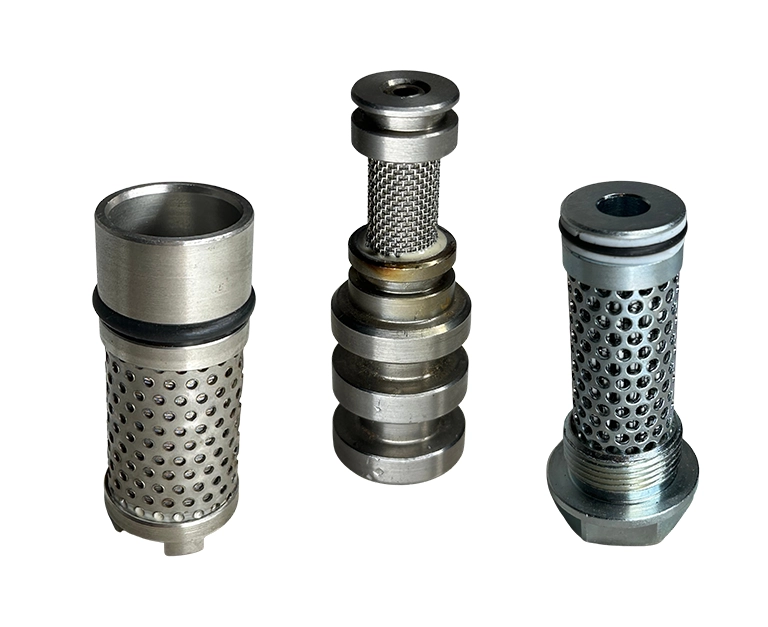
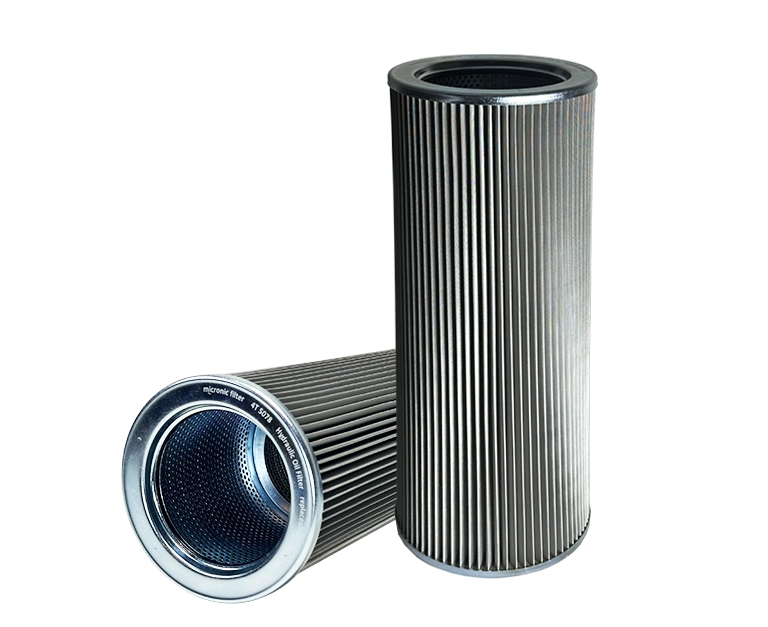
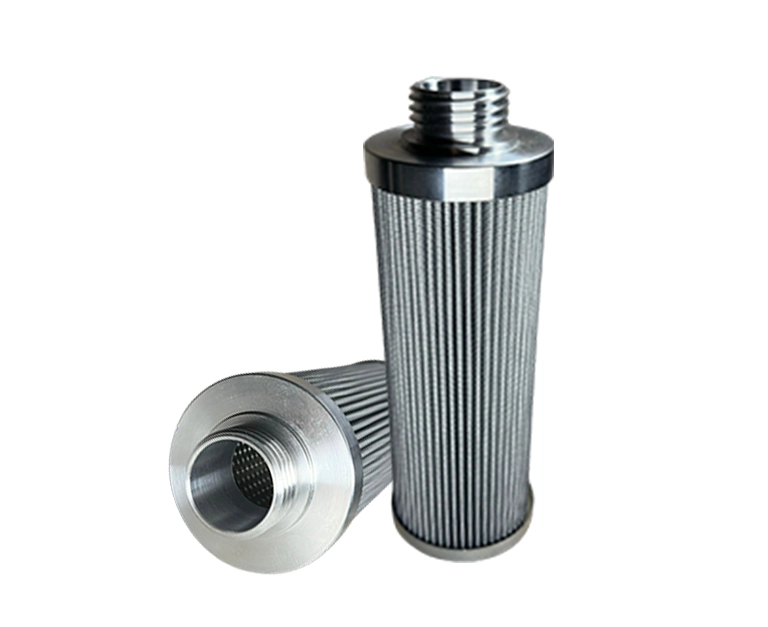
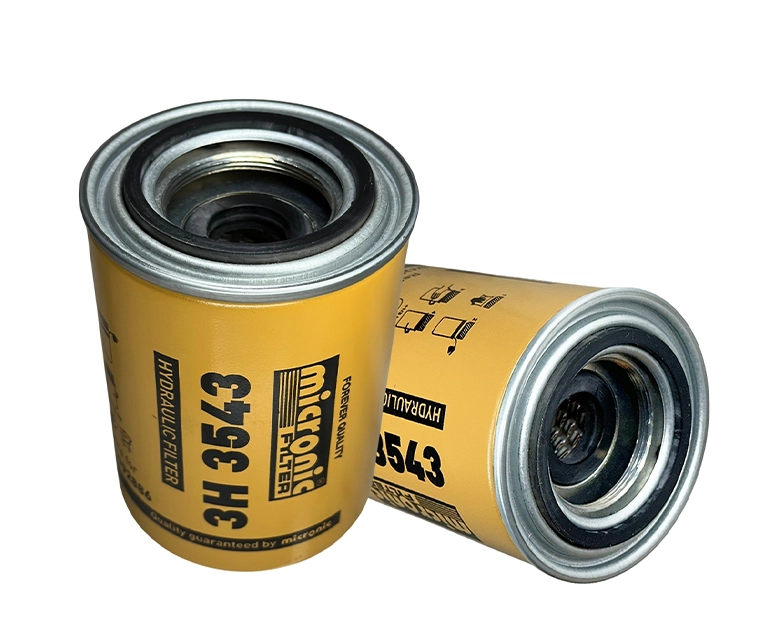
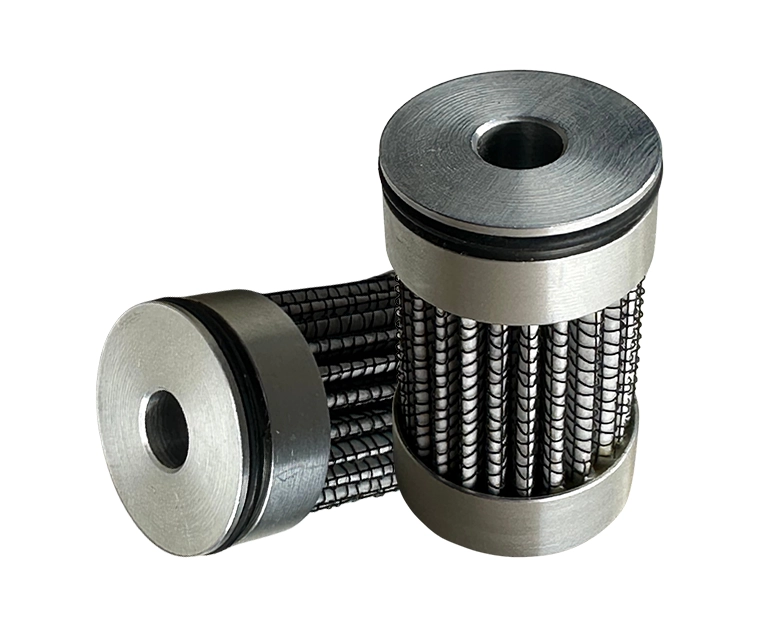
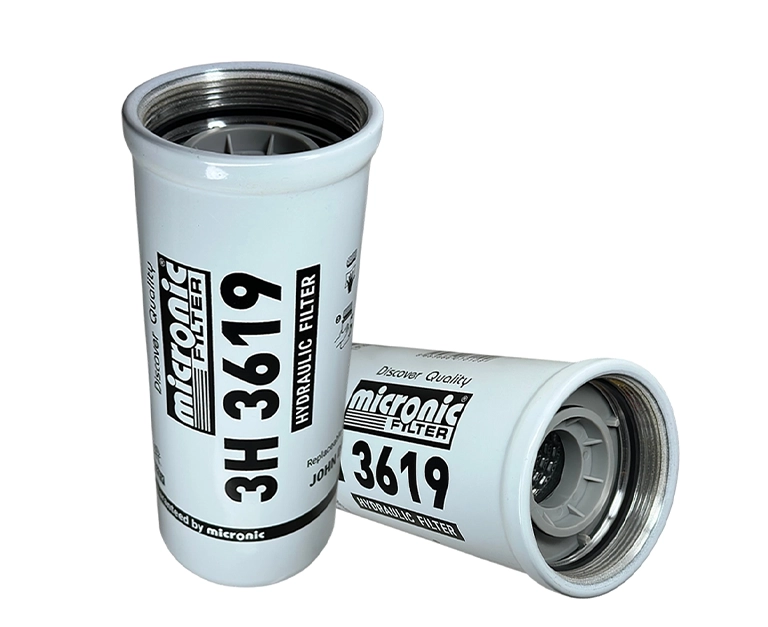
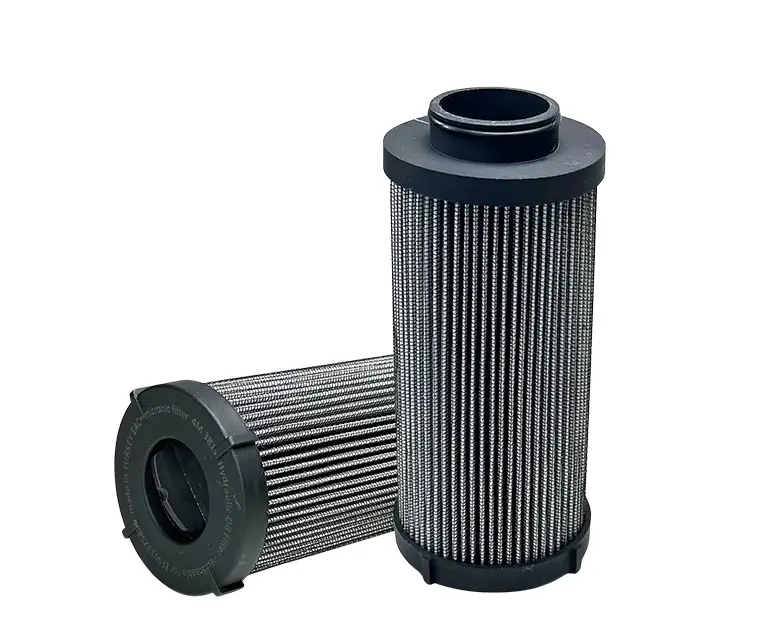
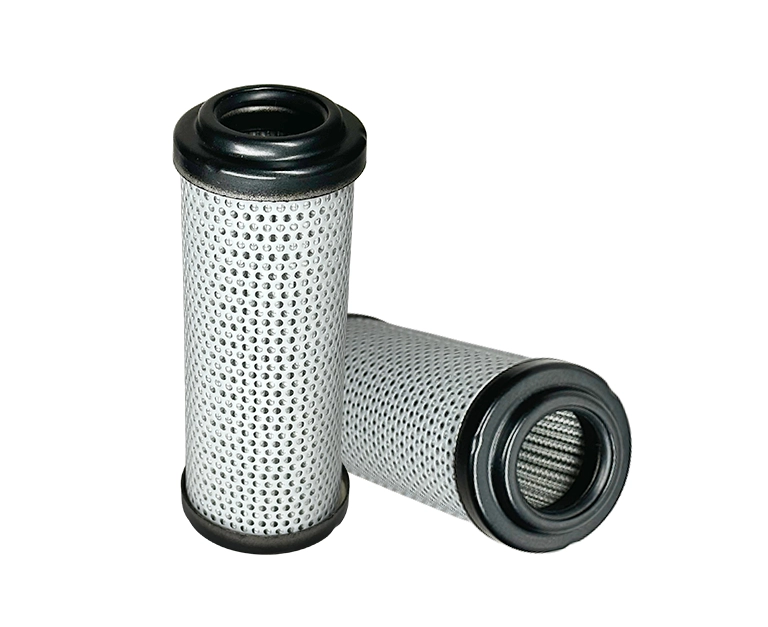
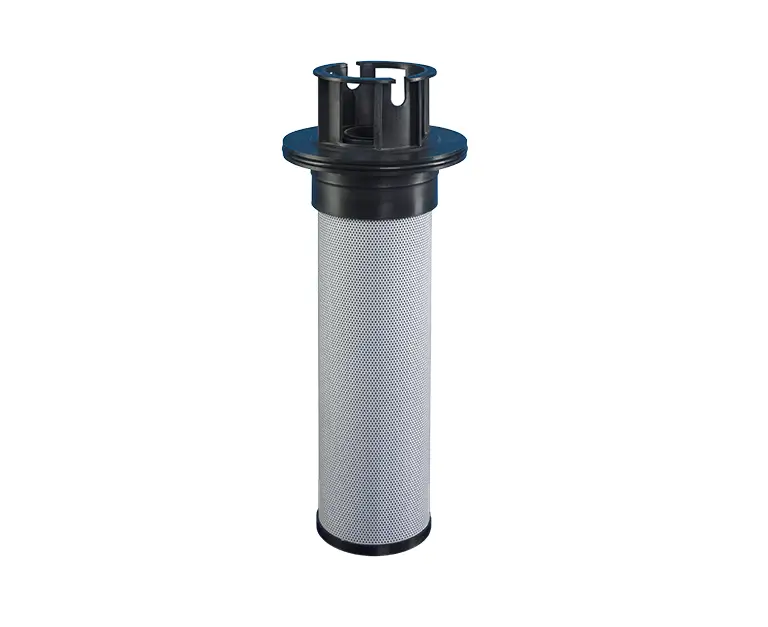

Microglass - Element Type Hydraulic Filters
Microglass Hydraulic Filters, mounted inside the tank or in-line housings, clean the oil in the return line before sending it back to the tank. Thanks to their high flow permeability and large surface area, they prevent overheating while trapping contamination with their microglass structure.
These filters, typically placed inside the hydraulic tank or in-line housings, clean the oil in the system’s return line and send it back to the tank. By virtue of their high flow permeability and large surface area, they prevent system overheating while trapping contaminants.
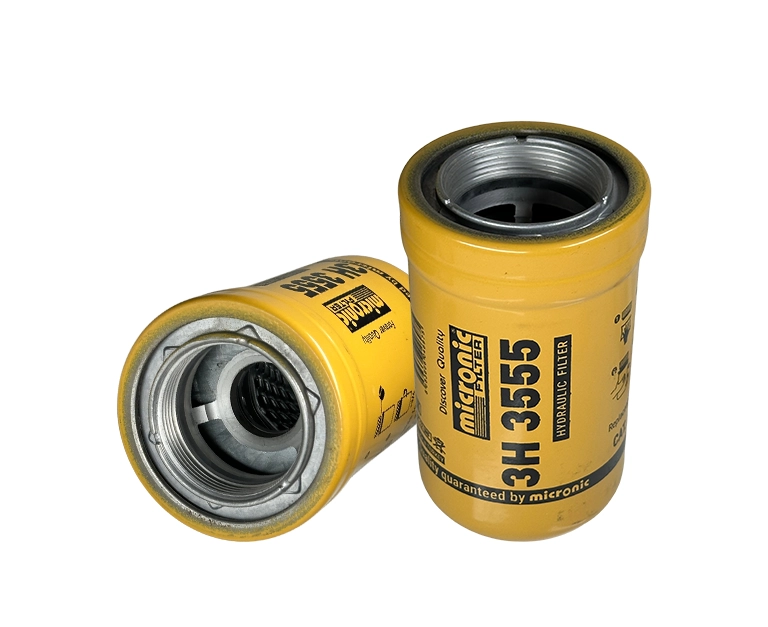
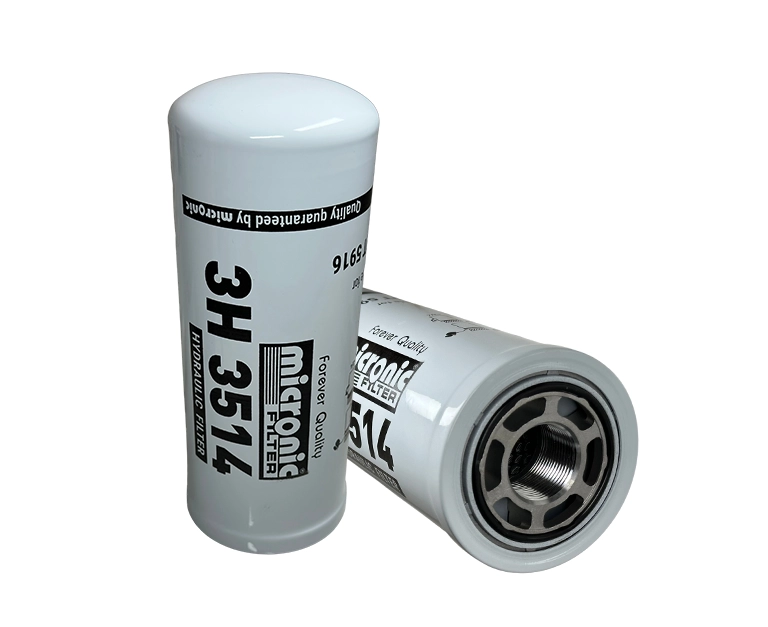
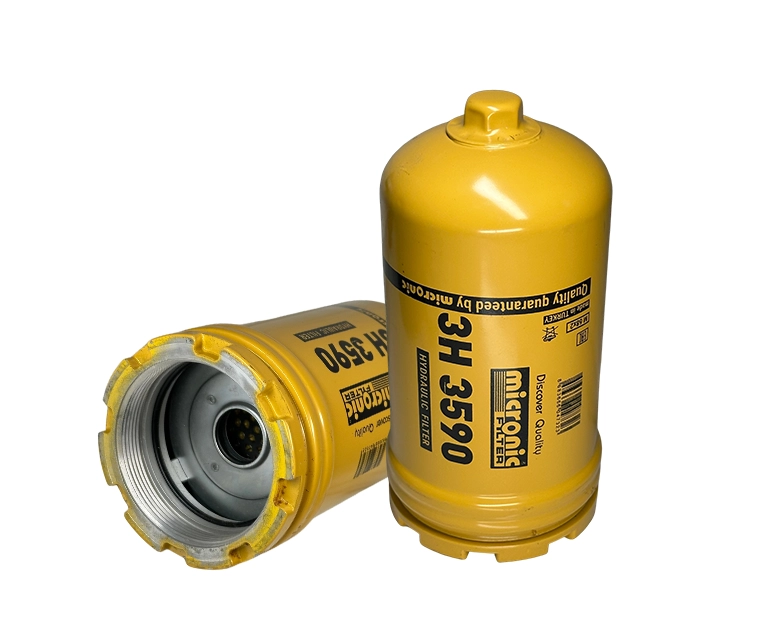
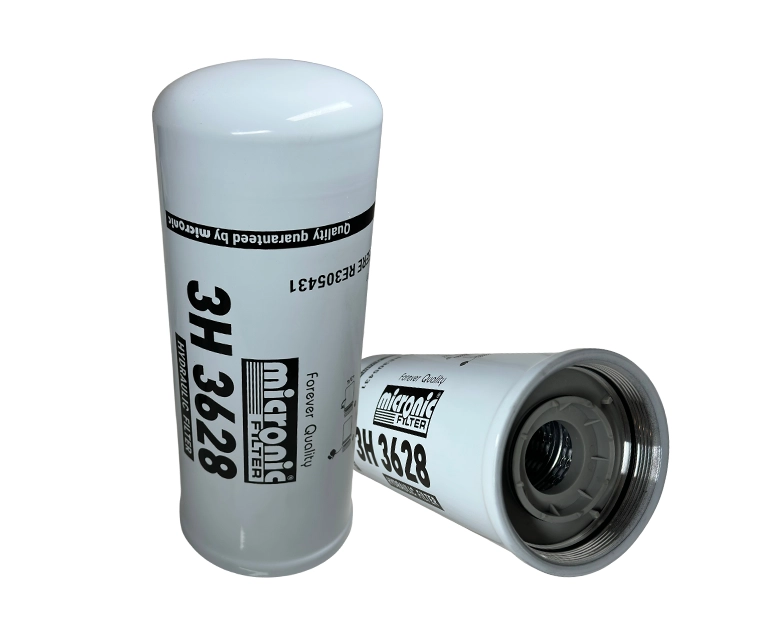
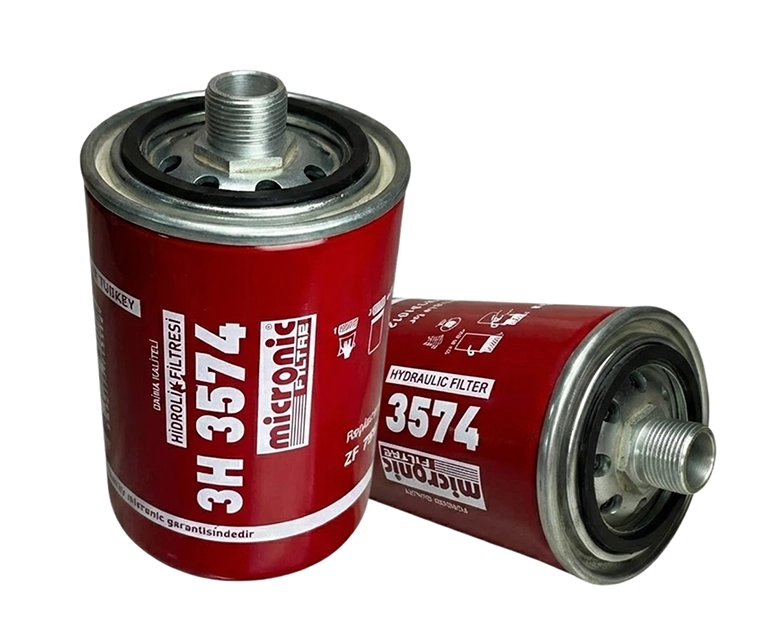
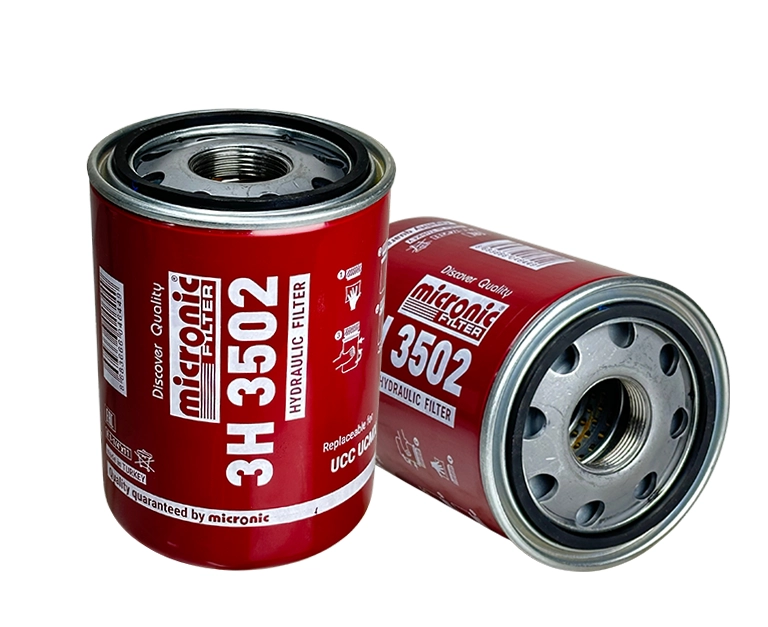
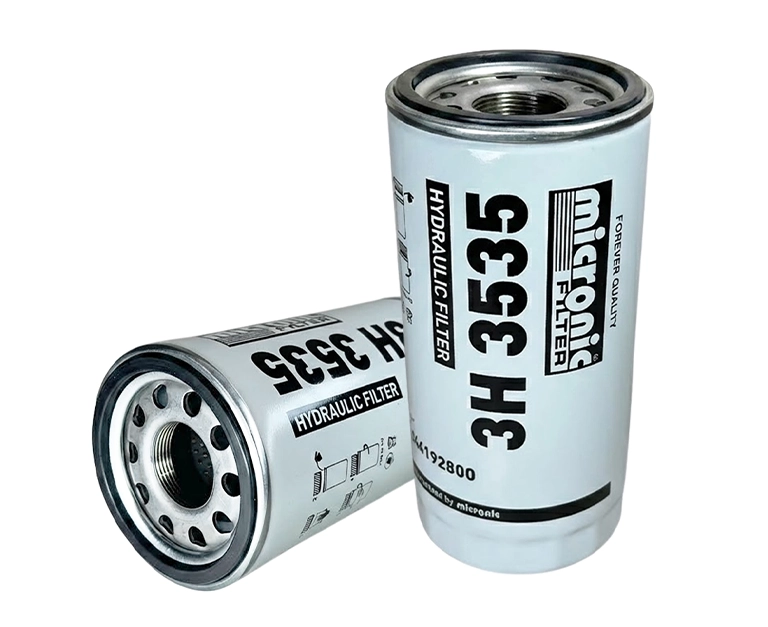
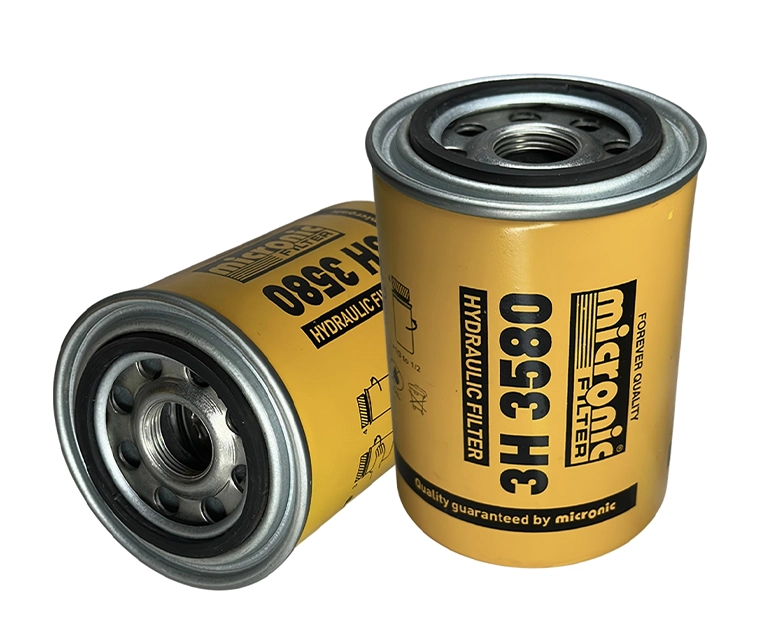
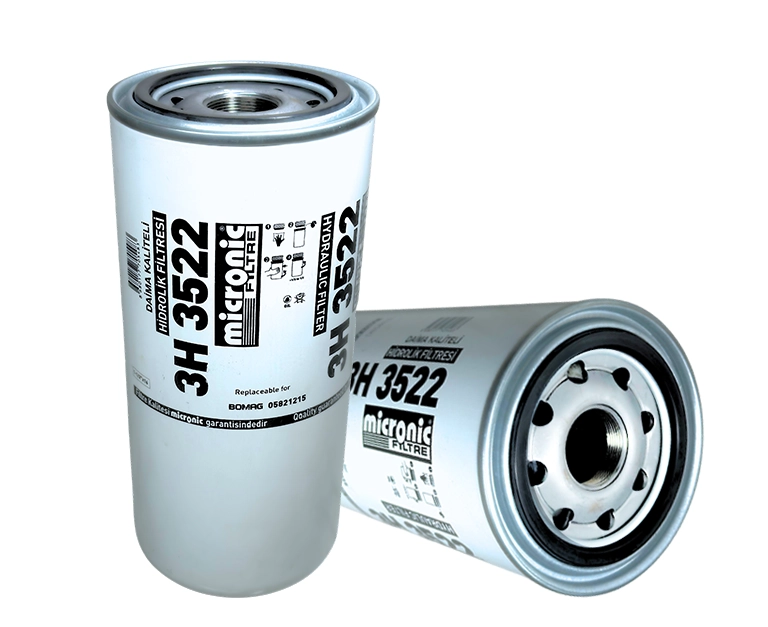
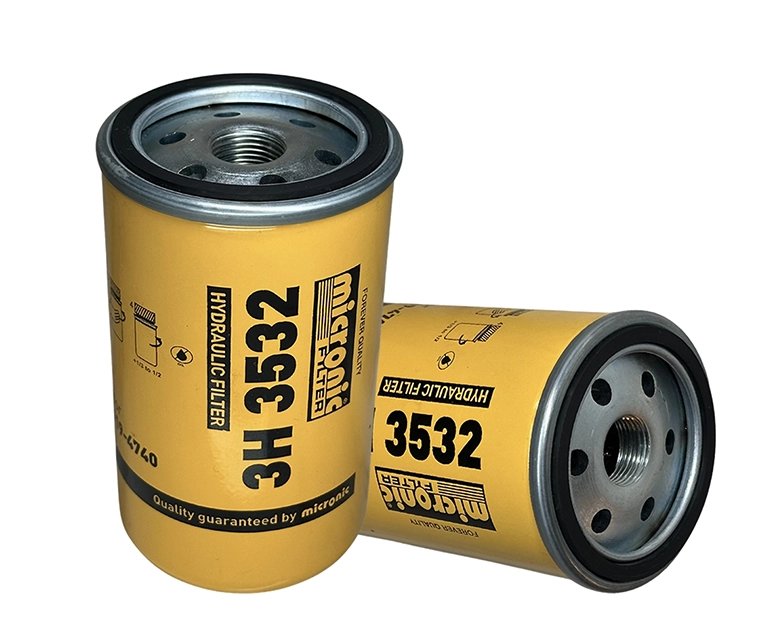
Spin-On Hydraulic Filters
These filters are used in low and medium-pressure lines, offering extremely fast installation and replacement. Despite their compact structure, they possess high burst resistance. They are widely preferred in mobile hydraulic applications and agricultural machinery.

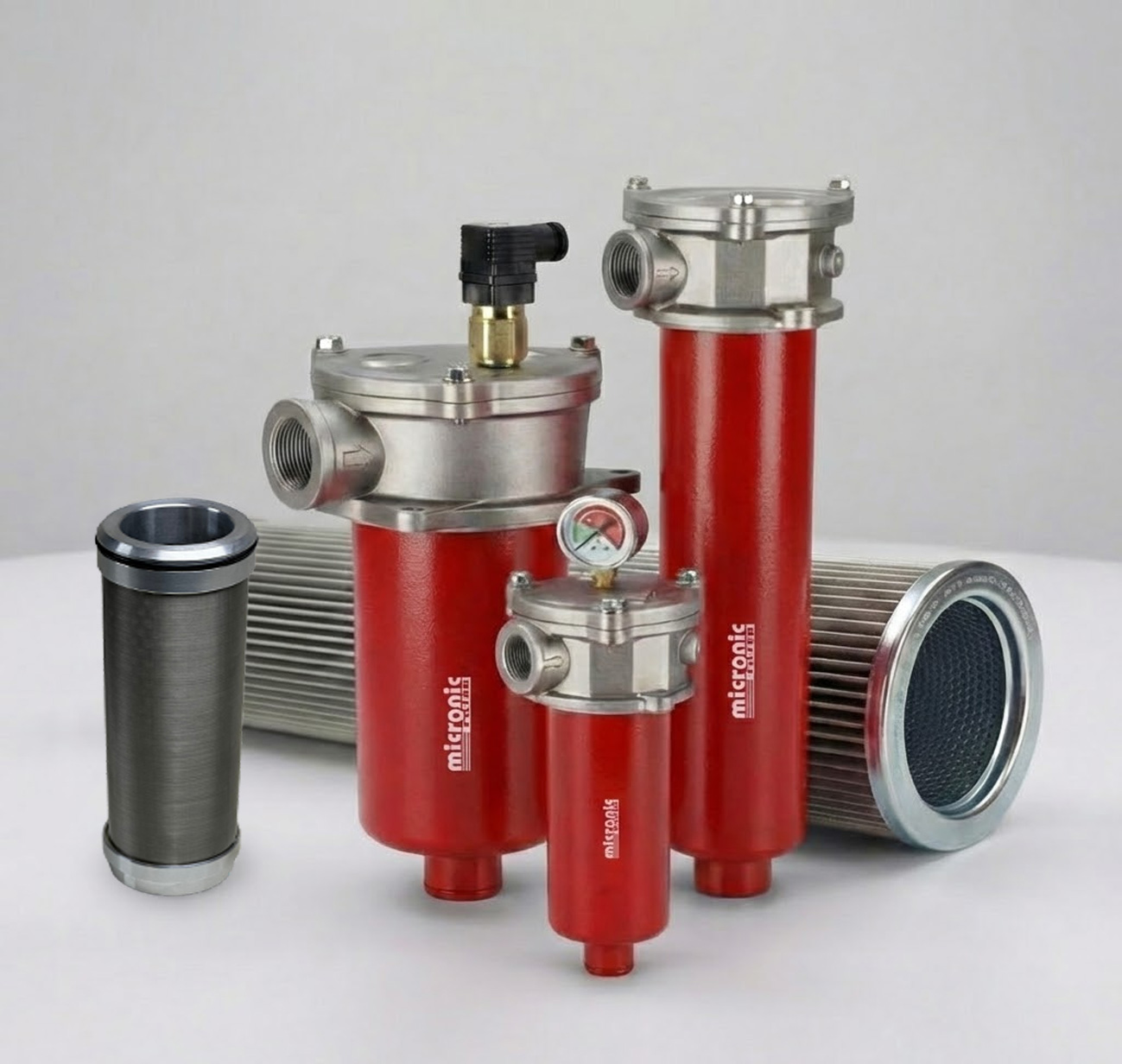
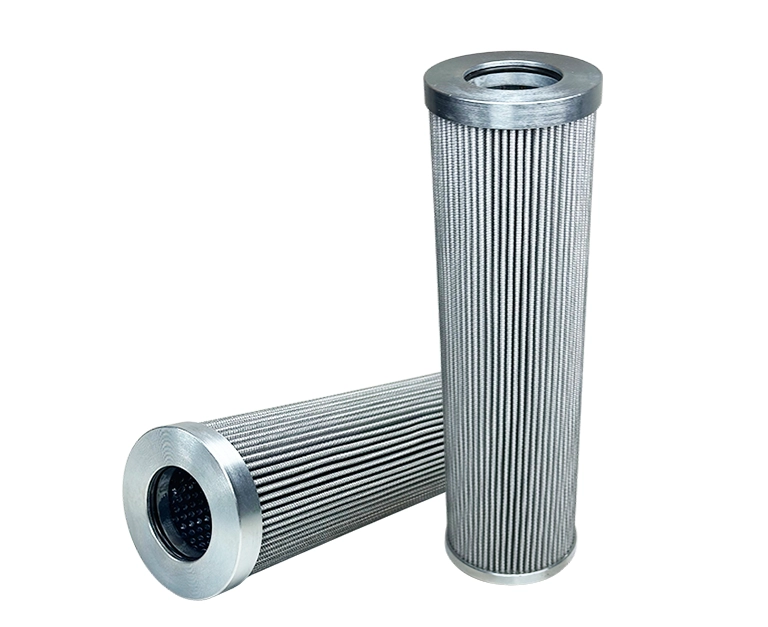
Stainless Steel Hydraulic Filters
The Power of Hydraulic Systems: Maximum Pressure, Clean Flow
The vast majority of hydraulic system failures are caused by oil contamination. The micronic Filter hydraulic filter series (Microglass, Wire Mesh, Spin-On) maintains its structural integrity even under high pressure, protecting sensitive valves and pumps. It prevents unplanned downtime and extends the lifespan of expensive hydraulic components.
- Wide Product Range: Categorized into return line, suction line, and pressure line filters, our products provide superior cleaning even at the smallest micron levels using cellulose or inorganic glass fiber (fiberglass) technology.
- Construction Machinery: Excavators, dozers, cranes, and loaders.
- Industrial Facilities: Hydraulic presses, injection molding machines, and CNC machine tools.
- Mobile Hydraulics: Garbage trucks, concrete mixers, and fire trucks.